Selection of a sewing machine is perhaps one of the most crucial decisions to be made by someone involved in making clothes. Regardless of whether you are a novice sewer, professional tailor, or even a business person, choosing the appropriate tools can greatly enhance your efficiency in work. While Jack sewing machine is known for its industrial strength, Usha sewing machines have gained immense reputation in being reliable domestic sewing machines. It is important to comprehend these differences before deciding which brand suits you.
Understanding the Purpose of Each Brand
These two sewing machines are widely accepted in the sewing industry, although they target different categories of users.
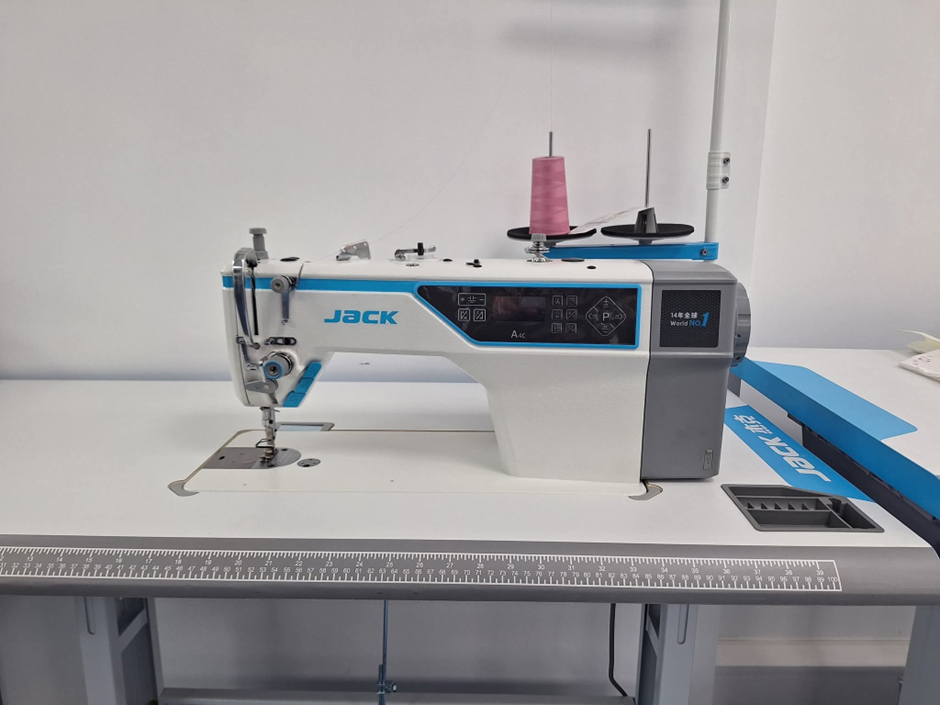
Firstly, industrial sewing machines are designed for continuous operation in industries, industries for making clothes, and tailoring shops. Industrial sewing machines are engineered to run in such a way that they are efficient, fast, and make good stitches during operating hours.
Secondly, domestic sewing machines are appropriate for individual use in homes, hobbyists, fashion students, and small tailoring shop owners. The design of domestic sewing machines enables them to be convenient and easy to use.
The choice of these two sewing machines should depend on the frequency of use and work done by the user.
Performance Comparison
Performance is usually the main consideration when choosing a sewing machine.
The industrial sewing machine is designed for high performance at fast speeds and is capable of working for several hours at a go without compromising on stitch accuracy. This makes it a good choice for commercial settings where efficiency is crucial.
A domestic sewing machine will place flexibility ahead of performance since it has different decorative stitches, buttonhole capabilities, and easy to use control settings.
In terms of productivity, an industrial sewing machine will always have an edge over a domestic one in cases where bulk manufacturing of clothes is required.
Build Quality and Durability
Lifespan is greatly influenced by durability in any sewing machine.
Industrials machines are built with tough metal parts that can bear constant use on a day-to-day basis. The durable design enables these machines to last long as long as they are well maintained.
Domestic machines tend to be small in size hence easy to transport and store. They are tough and can serve their purpose but are meant for use in domestic settings.
When longevity while being constantly used is your main concern, then industrials machines offer a definite edge over domestics.
Ease of Operation
Ease of use is particularly vital for novices.
The majority of home machines come with auto-threading systems, variable stitch settings, diagrams, and user-friendly controls that simplify learning the machine’s operation.
Industrial sewing machines emphasize speed more than ease of use. While industrial sewing machines might need some initial training, users become quite fast when accustomed to their controls.
Experience level is an essential factor in choosing your machine.
Fabric Compatibility
Each sewing machine is made for each type of fabric.
Industrial machines have no trouble sewing lightweight fabrics, denim, canvas, leather, upholstery fabrics, and various layers of fabrics according to its type.
Domestic machines are ideal for working with cotton, linen, polyester, and many others. Sewing very heavy fabrics on domestic machines is not recommended as it reduces their efficiency.
Based on the type of fabric used most, we can choose which one is better for us.
Maintenance Requirements
Proper maintenance ensures that any sewing machine operates effectively.
Most industrial machines need lubrication, cleaning, and servicing on a regular basis since they work for prolonged hours on a daily basis.
Domestic sewing machines have less need for maintenance since their use is limited. Regular cleaning, needle changing, and servicing on rare occasions will suffice.
Following the guidelines of the manufacturer will help ensure its longevity.
Technology and Features
There are many different advanced functions available in modern sewing machines, which increase efficiency and make it more convenient to use.
The industrial machines have automatic thread cutting, programmed sewing, energy-saving motors, presser foot raising, and smart sensors.
Among home sewing machines, one can find decorative stitch capability, free arm sewing, automatic buttonholes, built-in lights, and adjustable speed control.
It is necessary to choose functions depending on the need in them, not just the number of them.
Cost and Overall Value
Another important factor that should be considered is budget.
Domestic sewing machines are relatively cheaper and thus make perfect choices for beginners and people who will only use them once in a while.
On the other hand, industrial machines might need more money at the start but are more efficient and productive, hence making better investments for businesses in the long run.
Which One Should You Choose?
There is no one sewing machine that suits all purposes.
Industrial sewing machines are always preferred by professional tailors, garment manufacturers, and companies that make garments in bulk quantity due to their efficiency and performance.
Domestic sewing machines are usually the preferred choice of people working at home or learning how to sew as they are easy to operate and are portable.
The correct selection depends on your sewing needs.
Final Verdict
This is because both types of brands have made their names through providing services to distinct groups within the sewing industry. Industrial sewing machines do well in settings where efficiency and sturdiness are key attributes, whereas domestic sewing machines are handy in terms of offering convenience and flexibility.
Before settling on your choice, consider your sewing needs, budget, type of fabric, among other things. If you want to purchase a brand from an honest dealer, you might consider doing a Google search for Jack sewing machine near me. This will make it easy for you to find authentic products and advice from professionals.